
Exploring the Popularity of Online Platforms in Today’s Digital Age
Exploring the Popularity of Online Platforms in Today’s Digital Age
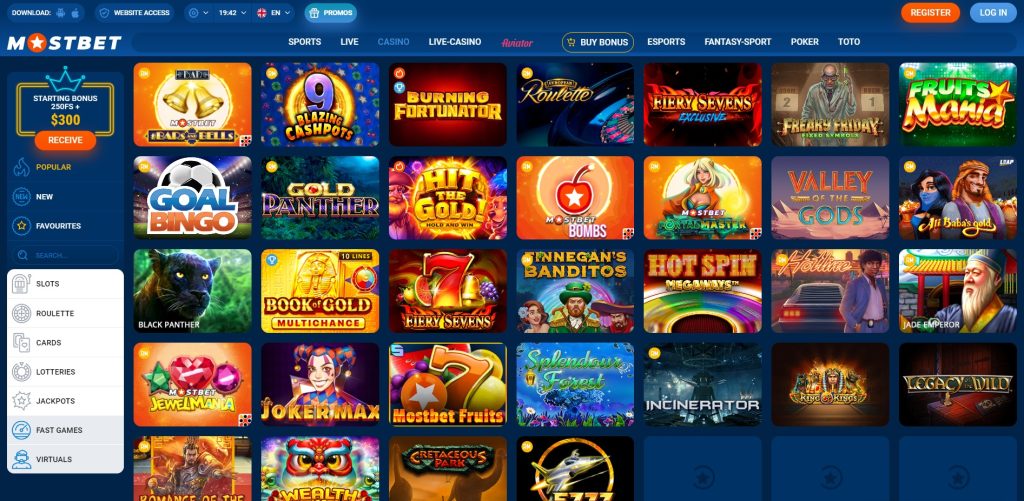
The digital landscape has drastically transformed over the last couple of decades, bringing about an era where online platforms are not just supplementary but central to our everyday lives. From social media networks to e-commerce websites, these platforms have defined how we communicate, shop, and consume information. As we delve into the reasons behind the soaring popularity of online offerings, it’s crucial to acknowledge various factors that contribute to their success. For instance, platforms like Exploring the Popularity of Online Sportsbooks in Bangladesh Mostbet লগইন exemplify how user engagement and accessibility play a vital role.
The Evolution of Online Platforms
To truly appreciate the rise of online platforms, we need to consider how far we have come from the early days of the internet. Initially regarded as a mere tool for communication, the internet has evolved into a multi-faceted platform that supports numerous activities ranging from education to entertainment. The launch of social media in the early 2000s, with sites like Facebook and Twitter, marked a paradigm shift. Users no longer just consumed content; they started to create and share it, contributing to an explosive growth in user-generated content.
Accessibility and Convenience
One of the most critical factors contributing to the popularity of online platforms is the unparalleled accessibility they offer. Today’s consumers can access a wealth of information and services at the touch of a button. Whether it’s shopping for groceries, streaming a movie, or attending a virtual class, the convenience of online platforms eliminates geographical barriers and enables a level of efficiency that traditional methods often lack.
As mobile technology has become ubiquitous, the ease of accessing online services has only improved. Statistics indicate that more than half of global web traffic now comes from mobile devices, illustrating the profound shift towards mobile-first experiences. This adaptability has allowed various online platforms to cater to users who prefer to conduct their activities on-the-go, further solidifying their popularity.
The Role of Social Media in Shaping Popularity
Social media platforms are not just avenues for personal expression; they have become essential tools for businesses, influencers, and content creators. These platforms harness the power of virality, allowing content to spread like wildfire across networks. The ability to share content instantly encourages users to engage more, fueling a cycle of constant interaction.
In recent years, platforms like Instagram and TikTok have revolutionized marketing strategies. Brands actively utilize these platforms to reach their target audiences through eye-catching visuals and trending challenges. As a result, social media has not only facilitated the growth of online platforms but has also created a unique, ever-evolving landscape for marketing and brand engagement.
Changing Consumer Behavior
The rise of online platforms coincides with dramatic shifts in consumer behavior. Today’s consumers seek tailored experiences and instant gratification, leading to a demand for personalized content and services. Platforms that employ algorithms to provide recommendations based on user preferences have seen significant success. Netflix’s approach to suggesting movies or Spotify’s “Discover Weekly” playlists are prime examples of how effective personalization can enhance user satisfaction.

Moreover, the user experience is paramount. A seamless interface, quick loading times, and vibrant design elements contribute to the overall enjoyment of using a platform. Companies that prioritize user feedback and continuously adapt their offerings tend to cultivate a loyal customer base, further contributing to their popularity.
The Impact of Gamification
Gamification is another innovative strategy enhancing the engagement levels of online platforms. By incorporating game-like elements such as rewards, challenges, and leaderboards, platforms can motivate users to participate more actively. This approach is especially effective in sectors like education and fitness, where users are encouraged to complete tasks in exchange for points or recognition.
Several e-commerce websites have also embraced gamification strategies to enhance user experience and foster brand loyalty. For instance, brands may offer points for completing surveys or for making purchases, incentivizing users to engage with the platform consistently.
The Influence of Mobile Gaming and Entertainment
The mobile gaming industry has witnessed explosive growth, contributing significantly to the popularity of online platforms. Games like PUBG and Fortnite have created global communities that thrive on interaction and competition. The success of these games is largely attributed to their ability to be played anywhere and at any time, aligning perfectly with today’s fast-paced lifestyle.
Moreover, mobile gaming has extended beyond just gameplay; it has become a social experience where friends connect and collaborate in virtual environments, further solidifying the idea that online platforms serve as integral social spaces.
Challenges and Ethical Concerns
Despite their overwhelming popularity, online platforms face significant challenges and ethical dilemmas. Privacy concerns and data security breaches have become commonplace. Users are increasingly wary about how their personal information is collected and used, leading to calls for greater transparency and accountability from companies.
Moreover, issues related to misinformation and harmful content on social media platforms have drawn criticism. Companies are now under immense pressure to implement effective moderation practices and ensure that their platforms foster a safe environment for users.
The Future of Online Platforms
As we look ahead, the future of online platforms will be shaped by technological advancements and user expectations. Innovations like artificial intelligence, virtual reality, and blockchain technology have the potential to redefine user interactions on these platforms. Businesses must remain agile and forward-thinking to adapt to the changing landscape.
Moreover, issues surrounding digital equity will play a crucial role. As internet accessibility improves globally, understanding the importance of inclusivity in digital development will be imperative for the overall success of online platforms.
Conclusion
The unwavering popularity of online platforms can be attributed to a myriad of factors, from convenience and accessibility to the evolving preferences of today’s consumers. As we continue to navigate this digital age, it is essential for businesses to stay attuned to consumer behavior, technological advancements, and ethical considerations. Engaging with users authentically and responsively will be paramount to thriving in an increasingly competitive digital environment. The future of online platforms is bright, but it demands a balanced approach that prioritizes user experience, safety, and innovation.